SDG 7: Affordable and Clean Energy
Ensure access to affordable, reliable, sustainable and modern energy
Efficient energy usage on campus and energy self-sufficiency
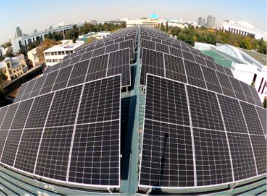
1. Solar Panel Installation
Following the initial installations in 2022, solar panels have now been installed across additional university rooftops, helping WIUT increase its reliance on renewable energy sources. These panels are making a meaningful contribution to campus electricity needs, reducing dependence on conventional energy.
2. LED Lighting and Energy Efficiency
The transition to LED lighting throughout campus buildings was completed this year, enhancing energy efficiency and lowering electricity consumption. Outdoor lighting now uses sensor-based systems that adjust lighting based on time and activity, reducing unnecessary energy usage.
3. Solar Water Heating
Solar water heating devices installed in university facilities are now a primary source for hot water needs, further reducing reliance on traditional electric heating systems and promoting sustainable energy use.
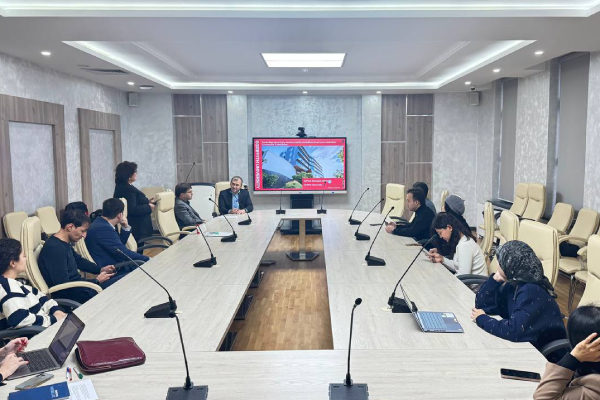
Guest Talk with Dr Alexandr Akimov
On December 9, 2025, Graduate School hosted a Graduate Café session featuring Dr Alexandr Akimov, Associate Professor in Finance and Deputy Director at the Centre for Applied Energy Economics and Policy Research, Griffith University (Australia).
During the session, Dr Akimov delivered an insightful talk titled “Australian Electricity Market and its Transition to Net Zero Emissions: Lessons for Uzbekistan.” He discussed Australia’s pathway toward a sustainable and low-carbon energy system, highlighting key reforms, market mechanisms, and policy tools that have supported the transition.
Dr Akimov also outlined practical lessons relevant for Uzbekistan, including the importance of regulatory transparency, investment in renewable technologies, and long-term planning for energy security and climate resilience. The talk sparked active engagement among students, researchers, and faculty members interested in sustainability, finance, and energy policy.
To read the full report on the SDGs for 2025, please follow this link.