SDG 14: Life Below Water
Conserve and sustainably use the oceans, seas and marine resources for sustainable development

SDG 14 in the context of Uzbekistan
Although Uzbekistan is a doubly landlocked country with no access to the ocean, our university has practices in place to conserve water, manage consumption, and prevent water pollution. We also conduct research and host discussions on water resources management, an issue of crucial importance to the region.
Water Conservation at the University
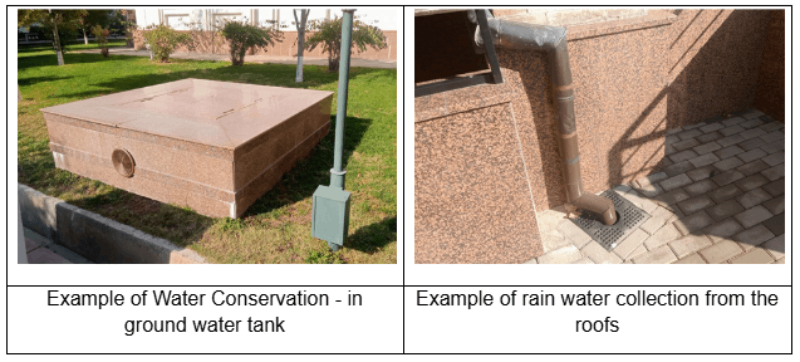
The university is implementing a water conservation program aimed at efficient water use and reducing water loss. As part of the program, all restrooms have been equipped with touch-sensitive (automatic) faucets that automatically shut off the water supply when the user is absent. This solution reduces water consumption by more than 25%, improves hygiene and reduces operating costs. All buildings of WIUT have a separated sewerage system. Rain water is thus collected from the roofs of the buildings and is then discharged into the irrigation ditch around the buildings. The university also collects underwater in the reservoirs.
Consumption of water
The university uses both treated and untreated water. The primary source of water for irrigating lawns and green spaces is groundwater from a well, which undergoes no additional treatment.
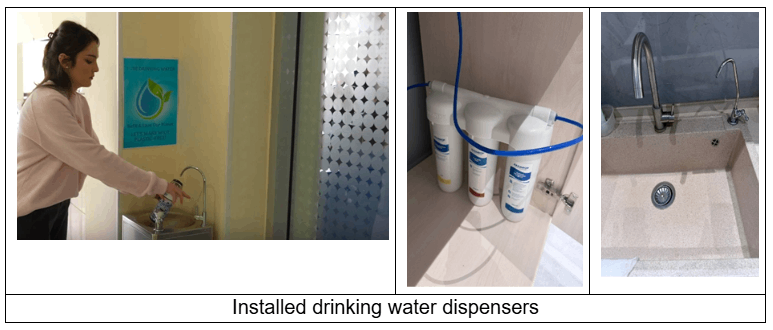
The water supply is connected to the central water supply of Tashkent city. The central water supply is drinking water based on the annually conducted water quality tests. At different points on the campus and dormitories, the drinking water dispensers with filters are installed.
Water pollution control in campus area
The university has implemented a comprehensive water pollution control system aimed at preventing contaminated wastewater from entering the water supply and the environment.
Grease traps are installed in the kitchens, effectively removing fats and oils from wastewater before discharge into the sewer system.
In addition, leaf catchers and dust collectors are used in the storm drainage system to prevent clogging of drainage channels with debris, leaves and dust particles.
The university's technical department carries out regular monitoring and maintenance of the treatment elements, including preventative cleaning and testing of filtration efficiency.
These measures help maintain environmental safety and prevent pollution of groundwater and surface water.
Water Efficient Appliances Usage
All bathrooms are equipped with sensor-controlled (automatic) faucets that provide water only when movement is detected. High-efficiency dual-flush toilet cisterns are used in the restrooms and exercise areas, significantly reducing water consumption. These measures have been implemented in all academic, administrative and athletic buildings, covering more than 60% of campus water-using points.
Example of Water Efficient Appliances Usage (Westminster International University in Tashkent, Uzbekistan)


To read the full report on the SDGs for 2025, please follow this link.